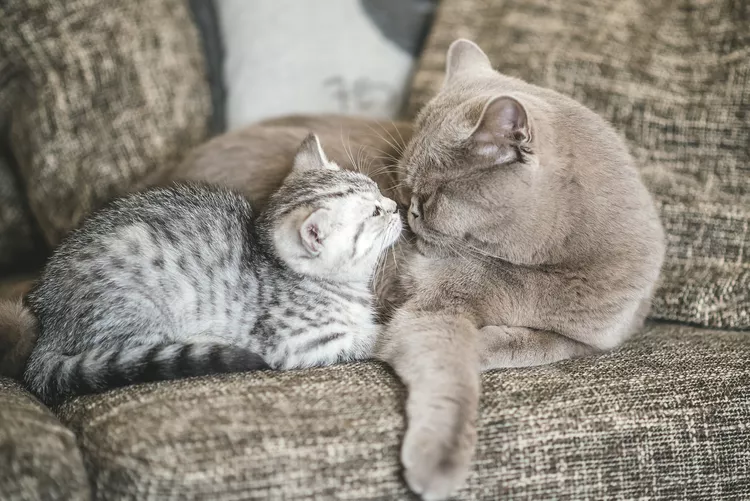
Cats go through three main stages of aging. Their nutritional needs, activity levels, and veterinary care vary during each stage.
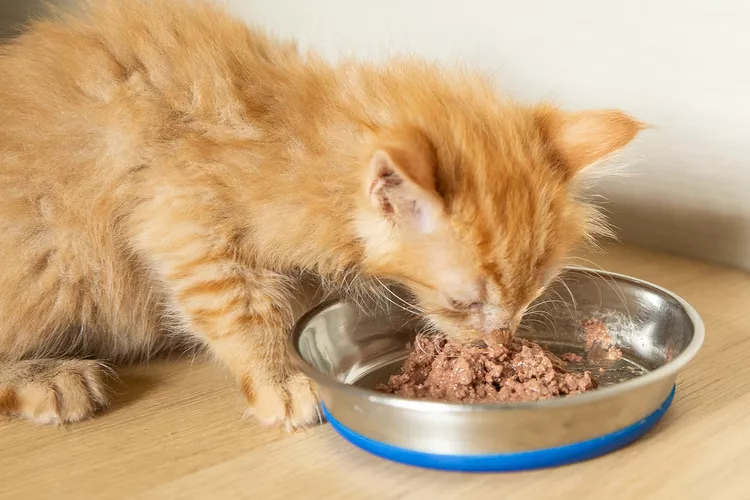
- Kittenhood: Kittenhood lasts from birth to one year (Approximately 15 human years.) This year, especially the first six weeks, marks the fastest growth of a cat's life. A diet of kitten food (at least for the first nine months), routine preventitive veterinary care, and training, all set the standards for future health and well-being.
- Maintenance years: During the maintenance years of one to approximately 10 years, growth has ceased, and the activity level may start declining toward the end of this life stage. A high-quality diet formulated for adult cats provides the ideal nutrition for your adult cat. Routine play with highly interactive toys and regular veterinary care will help guarantee your adult cat's continued good health.
- Senior years: Cats are generally considered seniors at the age of 10 years. Veterinary care becomes increasingly important, in order to detect early signs of diseases that target older cats.
Kittenhood
Kittenhood is the first life stage of cats. Kittenhood lasts from birth to one year (approximately 15 years in human age) and marks the fastest growing stage of a cat's life.
All newly adopted cats of unknown parentage, including kittens, should be immediately examined by your veterinarian.
Kitten's First Vet Visit
If you have other cats in the home, your kitten should be isolated until his first vet visit. Your veterinarian will perform a thorough physical exam on the kitten. In addition, your kitten will have several lab tests performed that test for infectious diseases that can be spread to other cats. Your kitten will likely receive his first core vaccines aka "kitten shots." Vaccine boosters are scheduled at regular intervals, and most kittens receive their rabies vaccine around four months of age. Vaccine protocols vary according to an individual patient's risk. Talk with your veterinarian about your cat's anticipated lifestyle. Will he remain indoors or have access to the outside world? Do you have other cats in your household? Your vet can also help you "kitten proof" your home and discuss training methods to ensure good behavior over time.
Adult (aka Maintenance Years)
The second life stage of cat years is the adult stage, sometimes known as the "maintenance years." Cats have ceased the rapid growth period of kittenhood and have stabilized their overall size and weight, however, our responsibility for them has not ceased. These years are crucial because it is during this period that the first tendencies toward age-related disease can show up, such as feline diabetes, arthritis, or heart disease.
Veterinary Care for Adult Cats
Adult cats should be seen annually for a wellness check and to receive any necessary vaccine boosters. It is important to routinely examine your cat at home and pay attention to their litter box and eating habits. You are the first to spot any potential problems including skin lumps, ear mites, and excessive weight gain. It is also important to know your cat's routine. Be alert for changes such as the following:
- Limping: Limping or slow gait when climbing stairs can be a sign of arthritis or injury. In either case, a vet visit is indicated. Your veterinarian can diagnose sources of pain in your cat and prescribe medications if appropriate.
- Change in litter box habits: Peeing outside the box can be a sign of FLUTD or a more serious condition in your cat's urinary tract. It is an indication for a vet visit ASAP. Diarrhea or painful constipation also should trigger a vet visit.
- Change in appetite: Sudden loss of appetite can be an indication of several diseases, and the cat should be seen by a vet for diagnosis and treatment. The same applies to cats who eat constantly but do not gain weight. Likewise, any increased frequency of vomiting is a sign of a problem. While it could be something as simple as a food allergy or increased hairballs, more serious conditions are possible.
Senior Cats and Geriatric Cats
Senior cats suffer from many of the same conditions and diseases as older humans, but careful management can vastly improve both their potential lifespan and quality of life. Depending on several factors, cats enter their senior years sometime between eight and ten years of age.
Veterinary care assumes greater importance, and even healthy senior cats should be seen at least twice a year by a veterinarian. If a cat has one or more of the diseases common to seniors, he or she may be seen several times a year for monitoring, as these diseases are chronic.